
Rodents & Wildlife
Termites & Timber
Stinging Pests
Crawling Insects
Property Programs
Not sure what you have?Describe what you have seen and we will identify it – no charge, no obligation.
All Services
Rodents & Wildlife
Termites & Timber
Stinging Pests
Crawling Insects
Property Programs
Company
Our WorkPricingProcessAboutContactCall 0435 073 966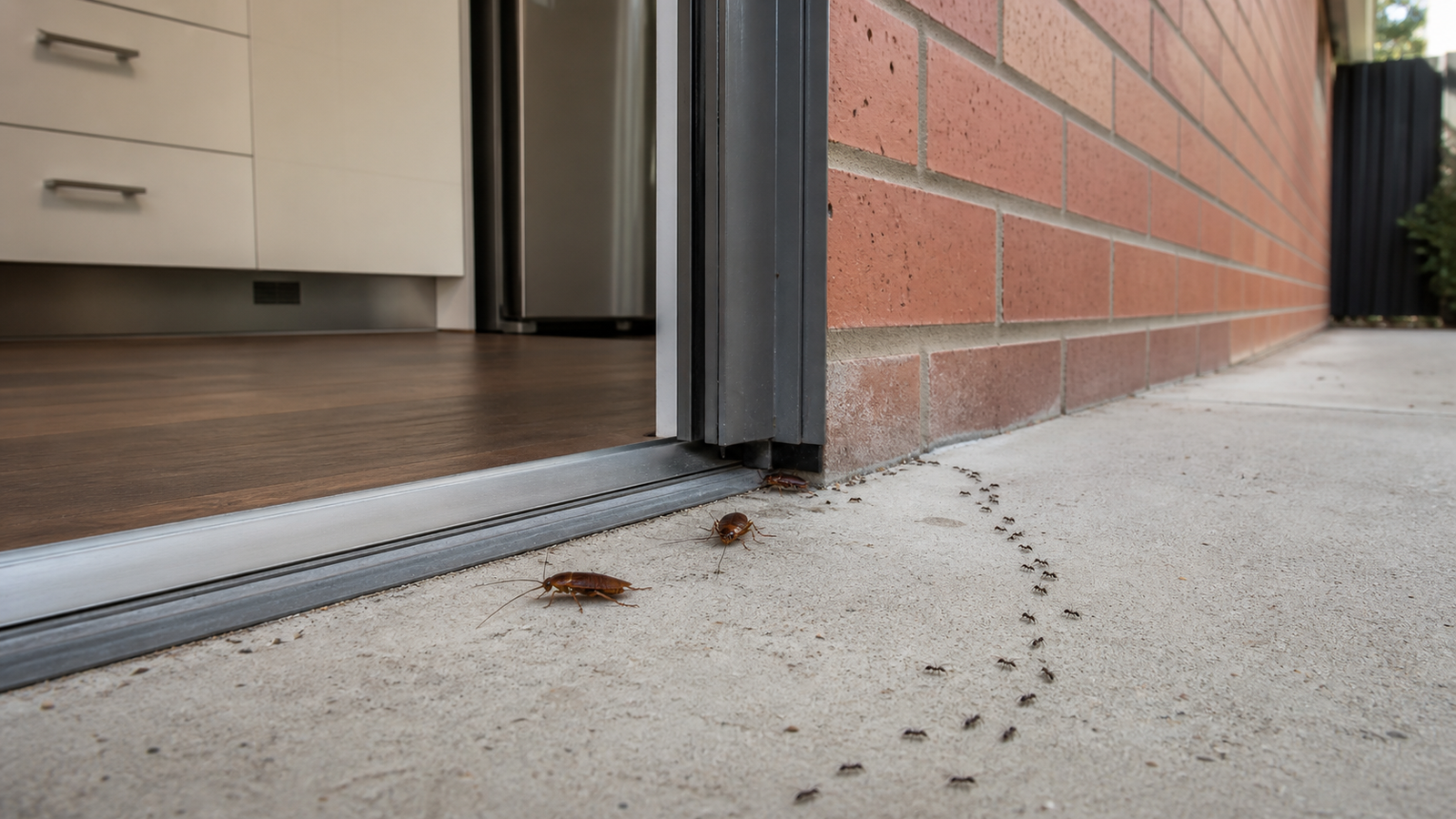
Home/Residential Pest Control Melbourne
Houses, units & rentals · Melbourne-wide · 24/7Residential Pest Control Melbourne|Same Day Service
Want the whole house protected? Our residential pest control covers Melbourne homes inside and out, the same day. Call 0435 073 966 for a free quote.
Want the house done properly? Start here
Tell us your postcode and the property size. A technician calls you back with a clear written quote.
Request your quote
Takes under a minute – postcode and what you have seen is enough.
Your details go to our Melbourne office only.
Most Melbourne homes need one treatment a year, not a subscription
Annual plans are sold hard in this industry, and for a lot of households they are simply a way of paying monthly for something you needed once. A general treatment holds around twelve months in Melbourne conditions. For most suburban homes, one visit a year is genuinely the right answer.
A plan does earn its money in specific situations, and we will say so when you are in one: a property on the bushland fringe, a home with previous termite history, a house with a large yard, chooks or fruit trees, or an older place with an open subfloor. Those properties get re-pressured every season and a scheduled program costs less than repeated call-outs.
If you are not in one of those, book a single treatment, book it before spring, and call us if something changes. That advice loses us recurring revenue and it is the honest answer.
The one thing genuinely worth adding for any Melbourne home is an annual termite inspection. Home insurance excludes termite damage entirely, so it is the one recurring check that actually protects you against a five-figure bill.
Unit, House Or Older Property?
Three property types with genuinely different needs – and different prices.
Units and apartments
Shared walls change things
Smaller footprint, but shared wall cavities and service risers mean cockroaches, ants and bed bugs move between units regardless of how well you keep your own.
What it needs: Internal treatment plus balcony and entry perimeter. Where the source is clearly a neighbouring unit we will tell you, because that is a body-corporate conversation, not a spray.
Houses with a yard
The standard job
Three to four bedrooms with garden beds, sheds, bins and fence lines – all of which are where spiders, ants and cockroaches actually live before they come inside.
What it needs: Full internal and external treatment including roof void, subfloor, eaves and perimeter. This is where the external band does most of the work.
Older and period homes
More ways in
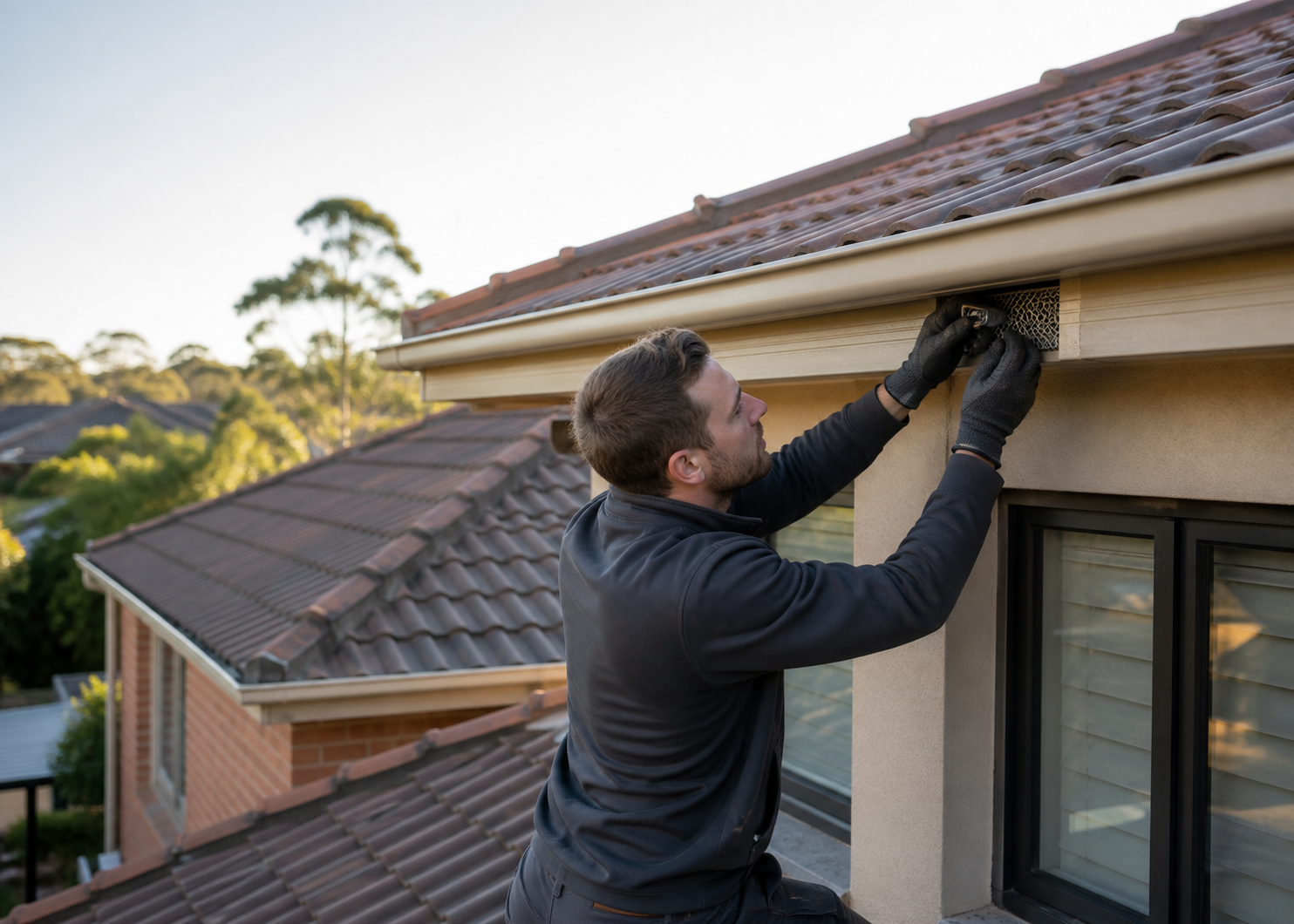
Open subfloors, gaps under weatherboards, original timber, and roof voids that are easy for rodents and possums to reach. More entry points than a modern build, by design.
What it needs: Treatment plus a proofing conversation. On these properties sealing entry points is usually better value than repeating treatments every year.
When To Book
Six moments when a residential treatment earns its money.
You have just bought or moved in
The single best time. An empty property is faster, more thorough and cheaper to treat than a furnished one, and you start clean.
Late winter, before spring
The most useful timing in Melbourne. Getting the residual in place before insect activity climbs beats treating in January when everything is already active.
Spiders and webs returning around the eaves
The residual has aged out – typically three to six months on exposed surfaces. It is the most common trigger for a repeat booking.
Ants appearing after heavy rain
Flooded nests moving indoors. Very common here, and usually a perimeter and sealing job rather than an indoor one.
Noises in the roof at night
Not a general treatment – that is rodents or possums, and we will book you the right service instead of the wrong one.
An older home you have never had treated
Worth a full inspection including subfloor and roof void. On period properties the proofing findings are usually more valuable than the spray.
Four Steps, One Clear Quote
Inside, outside, roof void and perimeter – in one visit.
Inspect
A walk through inside and out, including roof void and subfloor where access is safe, so treatment goes where pests actually shelter rather than where they were spotted.
Clear written quote
The price before we start, based on property size. If what you describe needs a different service, we say so before you pay for this one.
Treat inside and out
Internal skirting lines and harbourage, roof void and subfloor where accessible, external perimeter band, eaves, window and door frames, plus web and egg-sac removal.
Advice, not a subscription
What to seal, what to move off the wall line, and an honest view on whether you need us annually or just this once.
Residential Pest Control Cost Melbourne
Published, and quoted in writing after we know the property size.
Unit or apartment
Internal treatment plus balcony and entry perimeter.
Standard home
Three to four bedrooms. Internal, roof void, subfloor and full external perimeter.
Large or two-storey
Where the roofline and perimeter need height access and more product.
Annual booking
Booked yearly at a lower rate, with priority scheduling.
What the price covers: cockroaches, spiders, ants and silverfish treated internally and externally, roof void and subfloor where safely accessible, web and egg-sac removal, written findings and prevention advice.
Comparing quotes? Melbourne residential treatments run $190-470 for a standard three-bedroom home, with the average spend around $250, and maintenance plans $400-$1,200 a year. Before signing a plan, ask whether your property actually needs one – for most suburban homes it does not. Send us any written quote and we will beat it by 5%.
Twelve months of cover, and honest advice about the next one
A general treatment holds around twelve months here. If covered pests return inside that period, so do we.
Three Things Most Residential Companies Will Not Tell You
You probably do not need a plan
A general treatment holds about twelve months. Plans make sense on bushland-fringe properties, homes with termite history and older places with open subfloors – not for most suburban houses.
The external band does most of the work
Cheap quotes save money by skipping the perimeter, eaves and roof void. That is where spiders, ants and cockroaches actually live before they come inside.
The recurring check worth having is termites
Home insurance excludes termite damage completely. An annual termite inspection protects you against a five-figure bill in a way a general spray never will.
Often Booked With Residential Pest Control
Same crew, same visit where it makes sense.
Residential Pest Control Across Every Melbourne Suburb
One number covers the whole metro area, with no travel surcharge.
Residential Pest Control Melbourne FAQs
The questions we are asked most, answered straight.
How much does residential pest control cost in Melbourne?
Ours starts from $149 for a unit, $189 for a standard three to four bedroom home covering internal, roof void, subfloor and external perimeter, and $269 for a large or two-storey property. Melbourne rates run $190-470, with average spend around $250.
Do I need an annual pest control plan?
Most suburban homes do not. A general treatment holds around twelve months, so one visit a year is usually right. Plans genuinely earn their money on bushland-fringe properties, homes with previous termite activity, large yards with fruit trees or chooks, and older places with open subfloors.
What pests are covered?
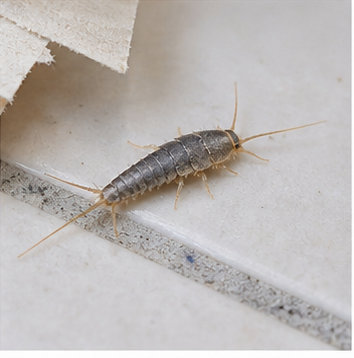
Cockroaches, spiders, ants and silverfish, treated inside, through the roof void and subfloor where access is safe, and around the external perimeter, with webs and egg sacs removed. Termites, rodents, bed bugs, fleas, wasps and possums are separate services.
When is the best time to book?
Late winter or early spring, so the residual is in place before insect activity climbs. The other ideal moment is while a property is empty – between tenants or before you move in – because treatment is faster and more thorough.
Is it safe for children and pets?
Yes, applied as directed. Products go onto harbourage areas and the perimeter rather than across open play areas, and we tell you what needs to dry before children and pets return, usually a few hours. Mention aquariums, birds, chickens or pregnancy when you book.
Will I see more insects afterwards?
Yes, for one to two weeks, and it is a good sign. Treatment flushes insects out of wall voids and cavities into the open where they contact it. Resist spraying over the top – supermarket sprays repel insects away from the products doing the work.
Do you treat rental properties for landlords?
Yes, with the invoice and treatment record agents ask for. If it is an end-of-lease situation involving pets, the end of lease service is usually the right booking because a flea treatment is the specific line item on most agent checklists.
How long does the appointment take?
Around 45 to 90 minutes for a typical home, depending on size and how much roof void and subfloor access there is. You get the findings and prevention advice before we leave.
Do you offer low-toxicity options?
Yes. Tell us when you book – for households with young children, chemical sensitivities or pets, we can plan the products and placement around that. Melbourne eco-focused treatments generally run $200-450 and ours are priced in that range.
Do you service my suburb?
Yes – all of metro Melbourne, from the CBD out through the northern, eastern, southern, bayside and western suburbs, with no travel surcharge.
Book residential pest control before 2pm today
Send your postcode and the property size. We will call back with a clear written quote.
Get my free quote
No obligation. Answered 24/7.
Your details go to our Melbourne office only.
Get your free quote
Quoted in writing before we start. Answered 24/7.