
Rodents & Wildlife
Termites & Timber
Stinging Pests
Crawling Insects
Property Programs
Not sure what you have?Describe what you have seen and we will identify it – no charge, no obligation.
All Services
Rodents & Wildlife
Termites & Timber
Stinging Pests
Crawling Insects
Property Programs
Company
Our WorkPricingProcessAboutContactCall 0435 073 966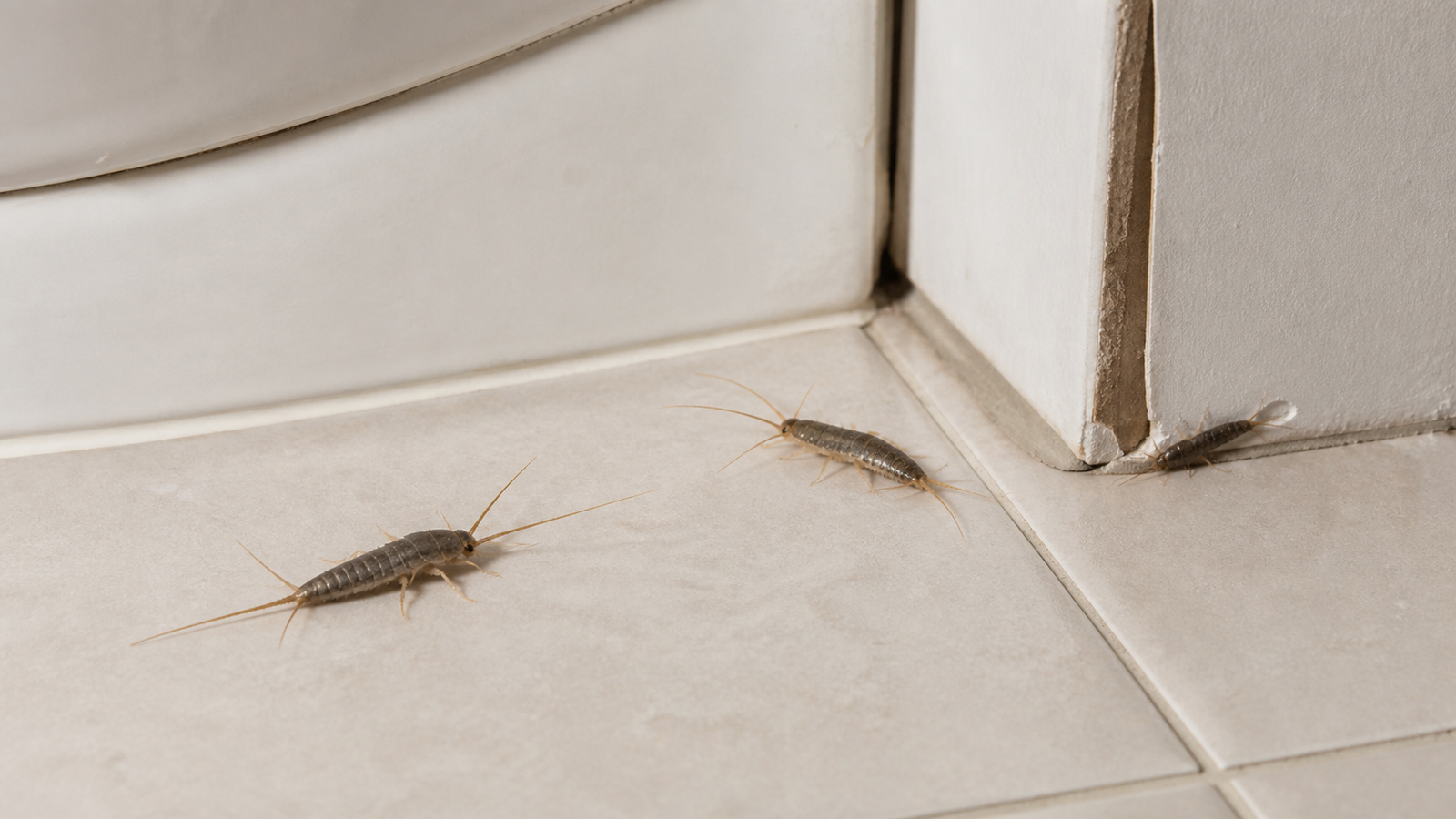
Home/Silverfish Control Melbourne
Wardrobes, storage & roof voids · Melbourne-wide · 24/7Silverfish Control Melbourne|Same Day Silverfish Treatment
Silverfish in the wardrobe or bookshelf? We treat silverfish across Melbourne the same day, including the roof void. Call 0435 073 966 for a free quote.
Silverfish in the cupboards? Start here
Tell us your postcode and where you are finding them. A technician calls you back with a clear written quote.
Request your quote
Takes under a minute – postcode and what you have seen is enough.
Your details go to our Melbourne office only.
Silverfish are a humidity problem wearing an insect costume
Silverfish need high humidity to breed – roughly 75% and up. That single fact explains everything about where you find them: bathrooms, laundries, poorly ventilated wardrobes, subfloors, and roof voids that do not breathe. It also explains why they are worse in some Melbourne houses than others regardless of how clean they are.
So the treatment has two halves. A residual and a dust deal with the current population. But if the humidity stays high, a new one builds – which is why some people end up booking a silverfish treatment every year and assuming that is normal.
The half nobody sells you is free: ventilate the roof void and subfloor, run the bathroom fan properly, leave wardrobe doors open occasionally, and put a dehumidifier in the worst room. That does more for a recurring silverfish problem than a second treatment will.
One more thing worth knowing when you are deciding how urgent this is: silverfish can survive around a year without food. Emptying the cupboard does not starve them out – they will simply wait.
Where Silverfish Actually Do Their Damage
They are harmless to people. What they ruin is paper, natural fibre and starch.
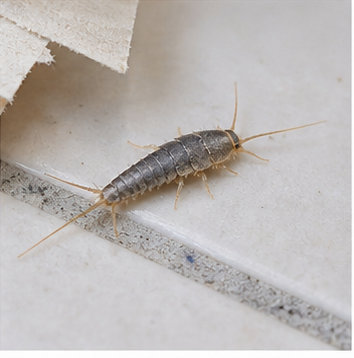
Silverfish
Lepisma saccharina – 12-19mm
Teardrop-shaped, silver-grey, with three bristles at the tail and a distinctive wriggling run. Nocturnal, and you usually find them in the bath, the sink or a box of stored paper.
How it is treated: Residual to skirtings, wall junctions and cupboard interiors, plus insecticidal dust injected into wall cavities, the roof void and the subfloor where they actually breed.
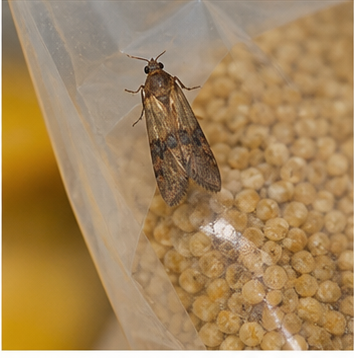
Paper, books and documents
The classic damage
Irregular surface grazing and small ragged holes in stored paper, photographs, wallpaper edges and cardboard boxes. They are eating the starch in the paper and the glue in book bindings.
How it is treated: Storage areas get treated directly, and we will tell you plainly which storage is worth moving to sealed plastic tubs rather than treating repeatedly.
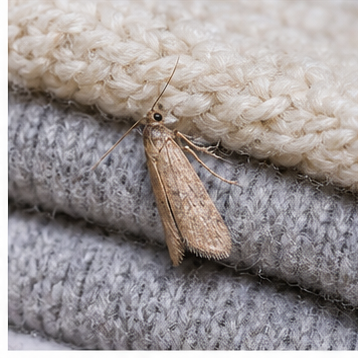
Clothing and natural fibre
The wardrobe damage
Small holes in cotton, linen, silk and rayon, especially anything stored unwashed or starched. Often blamed on clothes moths, which is a different pest with a different treatment.
How it is treated: Wardrobe and drawer treatment plus ventilation advice. If the damage is actually clothes moths, we will say so – the treatments are not interchangeable.
What You Are Noticing
Six things people report, and what each one means.
Silver insects in the bath or basin at night
They get in following moisture and cannot climb back out of a smooth surface. It is the most common first sighting and it points to a bathroom or wall-cavity population.
Small ragged holes in stored paper or photos
Feeding on starch and glue. Boxes stored in a roof void or garage are the classic location, and they can do a lot of damage before anyone notices.
Yellowish stains on stored clothing
Silverfish excrement and feeding marks, usually on items stored unwashed – body oils and starch are what attract them to fabric.
Fine pepper-like droppings in a cupboard
Active population inside that cupboard rather than passing through. It tells us where the dust needs to go.
Shed skins in the back of a drawer
Silverfish moult throughout their lives, so shed skins mean an established, breeding population rather than a wanderer.
Worse after a wet winter, or in one room only
Humidity. If one room is consistently worse, that room has a ventilation or moisture problem worth fixing alongside the treatment.
Four Steps, One Clear Quote
Treat where they breed, not just where you see them.
Inspect and find the harbourage
Bathrooms, laundries, wardrobes, storage, roof void and subfloor. Seeing them in the bath rarely means the bath is where they live.
Clear written quote
Findings and price before we start, plus an honest word on whether the damage you are seeing is silverfish at all or actually clothes moths.
Residual and dust
Residual to skirtings, wall junctions and cupboard interiors, plus insecticidal dust injected into wall cavities, roof void and subfloor – the dust is the part that reaches the breeding sites.
Humidity advice
Ventilation, extraction and storage changes for the rooms that keep producing them. This is the half that stops you booking again next year.
Silverfish Control Cost Melbourne
Published, quoted in writing, and quoted on property size.
Silverfish treatment
Unit or small home. Residual plus dust to cavities and roof void.
Standard home
Three to four bedrooms, including wardrobes, storage, roof void and subfloor.
Large or two-storey home
Where the roof void, subfloor and storage areas need more access.
With general pest control
Added to a general treatment at the same visit.
What the price covers: inspection, residual treatment of skirtings, wall junctions and cupboard interiors, insecticidal dust into wall cavities, roof void and subfloor, and written humidity and storage advice.
Comparing quotes? Melbourne silverfish treatments run from about $169-199, with same-day work from around $129. The thing to check is whether dust is going into the roof void and wall cavities – a spray along the skirting alone treats where you see them, not where they breed. Send us any written quote and we will beat it by 5%.
Treated where they breed, and told how to keep them gone
Silverfish come back when the humidity does. We treat properly and then tell you the free half, rather than quietly booking you in again next year.
Three Things Most Silverfish Companies Will Not Tell You
It is really a moisture problem
They need around 75% humidity to breed. Fix ventilation in the worst room and you do more for a recurring problem than a second treatment does – and that advice costs nothing.
Emptying the cupboard does not starve them
Silverfish can survive about a year without food. Clearing out the storage helps you find them; it does not remove them.
Half of ‘silverfish’ damage is clothes moths
Holes in wool and cashmere are usually moth larvae, not silverfish. The treatments differ, so identification matters more than it sounds.
Often Booked With Silverfish Control
Same crew, same visit where it makes sense.
Silverfish Treatment Across Every Melbourne Suburb
One number covers the whole metro area, with no travel surcharge.
Silverfish Control Melbourne FAQs
The questions we are asked most, answered straight.
How much does silverfish control cost in Melbourne?
Ours starts from $169 for a unit or small home and $199 for a standard three to four bedroom house, including dust into wall cavities, roof void and subfloor. Melbourne rates run from about $169-199, with same-day work from around $129.
Why do I keep getting silverfish back?
Humidity. They need around 75% humidity to breed, so if a bathroom, laundry, wardrobe or roof void stays damp, a new population builds after any treatment. Ventilation and a dehumidifier in the worst room does more for a recurring problem than repeat spraying.
Are silverfish harmful?
Not to people – they do not bite, sting or carry disease. The damage is to property: paper, books, photographs, wallpaper, cardboard, and natural fibres like cotton, linen and silk, especially anything stored unwashed.
How long does silverfish treatment take to work?
You should see a clear drop within a few days and it is generally resolved inside two weeks. The dust in wall cavities and the roof void keeps working long after the visit, which is why that part matters.
Will emptying my cupboards get rid of them?
No. Silverfish can survive around a year without food, so clearing storage does not starve them out. It is useful for finding them and for protecting what matters, but it is not a treatment.
Is the damage in my wardrobe silverfish or moths?
Holes in wool, cashmere and other animal fibres are usually clothes moth larvae. Silverfish prefer starch and plant fibres – cotton, linen, rayon, and anything starched or stored unwashed. The treatments differ, so we identify before quoting.
Is the treatment safe for kids and pets?
Yes, applied as directed. The dust goes into wall cavities, roof void and subfloor where nobody goes, and the residual is applied to skirtings and cupboard interiors. We tell you what needs to dry before the room is used again.
Where do silverfish come from?
They are usually already in the building fabric – roof voids, wall cavities and subfloors – and move into living areas following moisture. They also arrive in cardboard boxes and second-hand books, which is a common way a new house gets them.
Do I need to empty the cupboards before you come?
It helps a great deal for wardrobes and storage areas, because we can treat the actual surfaces they are living on. We will send you a short preparation note when you book.
Do you service my suburb?
Yes – all of metro Melbourne, from the CBD out through the northern, eastern, southern, bayside and western suburbs, with no travel surcharge.
Book silverfish control before 2pm today
Send your postcode and where you are finding them. We will call back with a clear written quote.
Get my free quote
No obligation. Answered 24/7.
Your details go to our Melbourne office only.
Get your free quote
Quoted in writing before we start. Answered 24/7.